Finding the right typeface changes how viewers perceive danger or mystery. Designers often search for the best display fonts with ominous shadow details to create immediate visual tension. These typefaces do not just sit on the page; they protrude into the viewer's space. Selecting the wrong style can make a project look dated instead of threatening.
What defines effective shadow typography?
Shadow styles add depth without needing 3D modeling software. They rely on offset layers or blurred edges to simulate darkness. This works well for horror posters, gaming interfaces, and metal band logos. When you browse shadow style fonts for dark aesthetic typography, look for consistent stroke weight. Inconsistent shadows make the text look broken rather than intentional.
The weight of the shadow dictates the mood. Heavy drops feel grounded and serious. Soft glows feel supernatural or ethereal. You need to decide if the shadow represents a physical object blocking light or a magical aura surrounding the letters. This decision guides your blur settings and opacity levels.
How do you match the font to your layout?
Adjusting the typeface depends on your background texture and available space. A heavy shadow needs room to breathe. If your canvas is cluttered, the effect gets lost. For projects requiring gothic typefaces featuring deep shadow textures, ensure the background is solid or subtly graded. Busy patterns compete with the shadow details.
Consider the viewing distance. Large banners tolerate heavier shadows than mobile screens. On small devices, simplify the effect to maintain readability. The goal is atmosphere, not confusion. Color choice also matters. Red shadows suggest danger, while blue shadows imply coldness or magic. Match the shadow color to the emotional tone of your content.
What technical mistakes ruin the effect?
Common errors include using pure black shadows on pure black backgrounds. This eliminates contrast. Instead, use dark gray or deep purple to separate the layers. Another issue is excessive blur. Too much softness makes the text look out of focus rather than spooky.
Fixing these issues at home requires careful layer management. If you are editing in Photoshop or GIMP, keep the shadow on a separate layer. This allows you to adjust opacity without retyping. For more inspiration, review dark themed fonts with dramatic shadow elements to see how professionals handle layer blending. Always check your kerning. Tight spacing can cause shadows to merge into a single blob.
Quick checklist for implementation
- Verify legibility at 50% zoom.
- Check contrast against your specific background color.
- Ensure shadow direction matches your light source.
- Export as PNG to preserve transparency.
- Test on both light and dark modes.
Test your design on different screens before finalizing. Proper execution ensures the mood lands correctly.
Download Now Dark Aesthetic Shadow Style Fonts
 Dark Fonts with Dramatic Shadow Effects
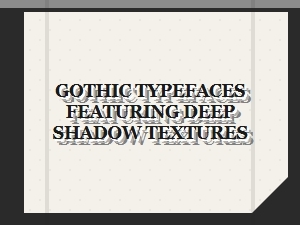 Gothic Fonts with Deep Shadow Textures
 Mysterious Book Covers with Dark Serif Fonts
 Gothic Wedding Invitation Typography Styles
 Gothic Fonts for Horror Movie Titles